
Lipedema Treatment & Support in Seattle
Specialized lymphatic, tissue and recovery care for people living with lipedema — from conservative symptom management to preparation and recovery support before and after lipedema reduction surgery.
Pain. Heaviness. Swelling. Easy bruising. Tissue changes.
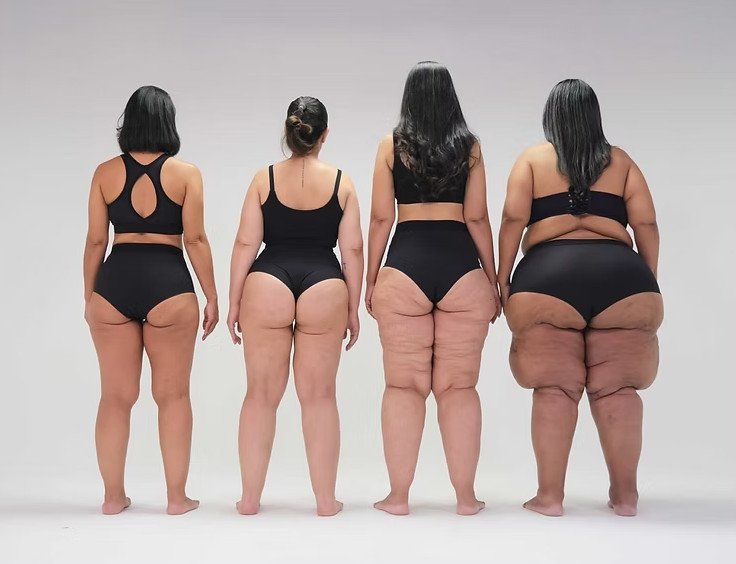
What Is Lipedema?
Lipedema is a chronic condition affecting primarily fat and connective tissue, that involves micro vascular and lymphatic dysfunction.
It occurs predominantly in women and often becomes noticeable or changes during periods of hormonal transition.
Unlike general weight gain, lipedema usually develops symmetrically and typically spares the hands and feet.
Lipedema can also coexist with obesity, chronic venous disease, lymphedema and other conditions.
Lipedema is not simply a cosmetic concern, and it should not be approached as one.
Could My Symptoms Be Lipedema?
Many people with lipedema spend years wondering why their body seems to respond differently.
Pain & Tenderness
Legs or affected areas may hurt when touched or pressured.
Heaviness
Tissue may feel unusually heavy or pressured by the end of the day.
Easy Bruising
Bruising may occur without an obvious injury.
Tissue Changes
Nodularity, firmness or fibrosis may become noticeable beneath the skin.
Your Symptoms Deserve to Be Investigated
You may have been told that you simply need to lose weight. You may exercise or change your nutrition while your legs remain disproportionately enlarged.
There is currently no single blood test, genetic test or imaging study that independently confirms lipedema. Diagnosis is primarily clinical and should include medical history, physical examination, symptom assessment and consideration of other conditions.
Lipedema Is Different From Other Conditions
Lipedema and other conditions can coexist, but understanding the differences matters because treatment and long-term management may vary.
Lipedema & Obesity
Lipedema and obesity are different conditions, although they can coexist. Overall weight management remains important for metabolic health, cardiovascular health, mobility and joint function.
However, lipedema-affected areas may remain disproportionately enlarged even when overall body weight decreases.
Lipedema & Lymphedema
Lipedema primarily affects adipose and connective tissue. Lymphedema results from impaired lymphatic transport and the accumulation of lymphatic fluid and associated tissue changes.
The two conditions can coexist. When lymphedema occurs alongside lipedema, this is often referred to as lipolymphedema.
Lipedema Stages
Lipedema does not look or feel the same in every person. Clinical staging is commonly used to describe changes in the skin and underlying tissue.
Stage 1
The skin surface generally remains smooth, while the underlying tissue may already feel enlarged, tender or painful.
Heaviness, sensitivity, easy bruising and disproportionate fat distribution may be present.
Stage 2
The tissue becomes increasingly irregular. Nodules may become easier to feel beneath the skin, and fibrotic changes can become more noticeable.
Pain, heaviness and mobility limitations may increase.
Stage 3
Larger tissue folds and more substantial connective-tissue changes may develop.
Mobility, gait, joint loading and everyday activities can become increasingly affected.
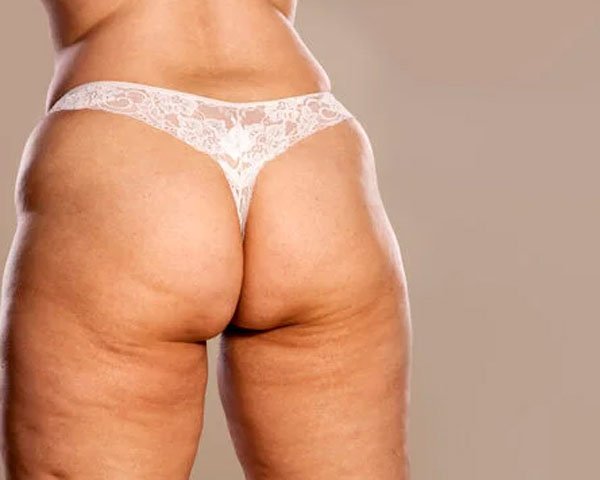
Lipedema Individualized Care at UMA CLINIC Seattle
There is no universal lipedema protocol.
Two people can have the same diagnosis and need very different care. That is why your first step at UMA Clinic is not choosing a treatment from a menu.
We assess first.
Your care may consider affected areas, pain and tenderness, swelling and heaviness, tissue texture and fibrosis, mobility limitations, compression use, vascular and lymphatic considerations, previous treatments, surgery, existing medical recommendations, response to previous therapies and your personal treatment goals.
Book a Lipedema AssessmentCare Built Around Your Body
Our goal is not to force your body into a standardized protocol. Our goal is to build care around your body.
Conservative Lipedema Treatment
There is currently no known cure for lipedema. Conservative care focuses on symptom management, mobility, tissue health and quality of life.
Compression
Support appropriate tissue and swelling management when indicated.
Physical Activity
Adapted movement can support mobility, strength and joint function.
Manual Therapies
Selected hands-on approaches according to tissue and symptoms.
Lymphatic Support
Supportive care when edema or lymphatic dysfunction is present.
A broader care plan may also involve medical care, nutritional support, self-management strategies and psychological or social support when appropriate.
Manual Lymphatic Drainage for Lipedema
Gentle Care. Specific Purpose.
Manual Lymphatic Drainage (MLD) is a specialized, gentle manual technique used to support lymphatic movement and symptom management.
For people with lipedema, MLD may be incorporated into a broader conservative care plan, particularly when heaviness, discomfort, edema or associated lymphatic dysfunction is present.
Although, MLD does not cure lipedema, it can offer a better quality of life.
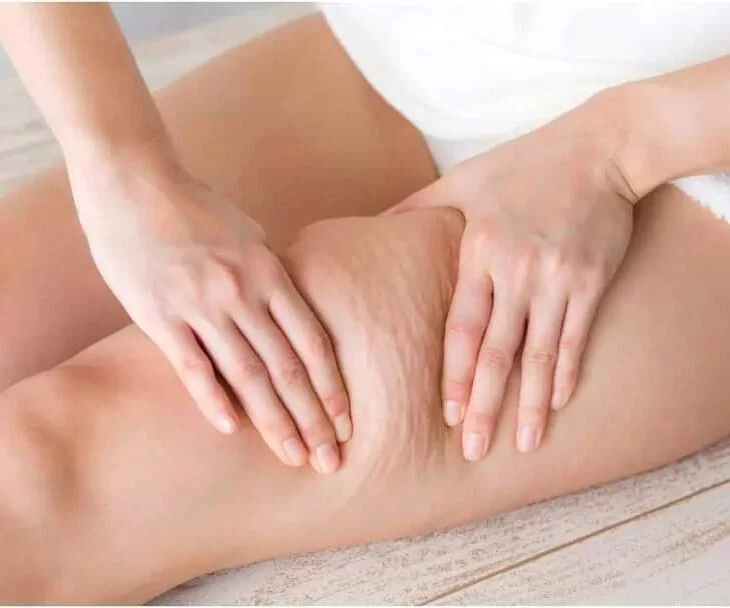
Fibrosis & Tissue Management
Lipedema involves more than adipose tissue alone.
Some patients develop areas of nodularity, firmness, tissue restriction or fibrosis that can contribute to discomfort and affect tissue mobility.
At UMA Clinic, treatment may incorporate carefully selected techniques according to tissue condition and tolerance.
Myofascial Techniques
Designed to address restrictions affecting movement and tissue mobility.
Soft-Tissue Mobilization
Used selectively to support tissue mobility and address areas of restriction.
Manual Lymphatic Techniques
Used when lymphatic support or edema management is appropriate.
Individualized Adjunctive Therapies
Selected according to tissue, symptoms, tolerance and recovery stage.
“More pressure is not necessarily better treatment.”
Every intervention should respect tissue integrity and patient tolerance.Lipedema Reduction Surgery
Lipedema reduction surgery is different from conventional cosmetic liposuction. The objective is not simply body contouring. Specialized procedures should consider the characteristics of lipedema tissue and prioritize preservation of lymphatic and vascular structures.
UMA Clinic does not perform lipedema reduction surgery. Our role is specialized supportive care for patients managing lipedema conservatively and for those preparing for or recovering from surgery.
Preparing for Lipedema Surgery
Better Recovery Starts Before Surgery.
For patients who have elected surgery with their medical and surgical team, preparation can help establish a better foundation for recovery.
Pre-operative care provides an opportunity to understand baseline tissue condition, existing swelling, compression needs, mobility and the postoperative plan.
Lipedema Surgery Recovery in Seattle
Surgery Is One Day. Recovery Is a Process.
After lipedema reduction surgery, your body moves through different phases of healing.
What is appropriate during the first days after surgery is not necessarily what your tissue will need several weeks later.
UMA Clinic uses a phase-based recovery approach while following your surgeon’s postoperative recommendations.
Schedule Your Post-Op Recovery
Immediate Phase
The priority is protecting healing tissue and supporting your surgeon’s postoperative instructions. Care is intentionally gentle.
Early Recovery
When medically appropriate, lymphatic support may be incorporated to help manage postoperative swelling and tissue discomfort.
Intermediate Recovery
Care can evolve according to swelling, tissue texture, mobility, scar development and areas of restriction.
Later Recovery
Treatment may increasingly address persistent swelling, fibrosis, adhesions, scars, mobility and longer-term tissue quality.
What to Expect at Your First UMA Visit
Your first visit is where your care plan begins.
We will talk about what you are experiencing, review relevant medical or surgical recommendations, assess the areas where you need support and discuss which UMA services may be appropriate.
If something requires medical evaluation outside our scope, we will tell you and encourage appropriate follow-up.
Frequently Asked Questions About Lipedema
What Type of Doctor Should I See for Lipedema?
There is no single medical specialty exclusively responsible for lipedema. Depending on your symptoms, your care may involve a physician experienced in lipedema, a vascular specialist, lymphatic professional, physical medicine specialist, surgeon experienced in lipedema reduction or other healthcare professionals. Specific experience with lipedema matters more than the specialty name alone.
Can Losing Weight Make Lipedema Disappear?
Weight loss can improve overall health, mobility, metabolic health, cardiovascular health and joint loading. However, lipedema-affected areas may remain disproportionately enlarged even after substantial overall weight loss. Weight management can be extremely valuable, but it should not be presented as a cure for lipedema.
Does Manual Lymphatic Drainage Remove Lipedema Fat?
No. MLD does not remove lipedema adipose tissue. Its role in lipedema care is supportive and may include lymphatic and symptom management when clinically appropriate.
What Compression Is Recommended for Lipedema?
There is no single garment or compression level appropriate for everyone. Selection depends on symptoms, tissue characteristics, limb shape, swelling, vascular and lymphatic health, mobility, tolerance and whether you are recovering from surgery.
When Should Lipedema Surgery Be Considered?
Surgery may be considered when appropriately diagnosed patients continue to experience significant pain, mobility limitations or other functional symptoms despite conservative management. The decision should be individualized with qualified medical and surgical professionals experienced in lipedema.
UMA Clinic does not perform lipedema reduction surgery. We provide specialized supportive care before and after surgery.
Will Liposuction Cure my Lipedema?
No, liposuction is not a cure for lipedema. But is considered one of the most effective ways to manage the condition long-term. Fat cells removed do not grow back, but lipedema can still progress. Lipedema is a chronic genetic condition. Surgery can help reduce pain, increase mobility and protect the underlying lymphatic system
You Deserve Care That Understands Lipedema
At UMA CLINIC, we combine specialized tissue care, lymphatic expertise, individualized treatment planning and compassionate support to help people living with lipedema manage symptoms, prepare for surgery when applicable and navigate recovery.
BOOK A LIPEDEMA ASSESSMENT NOW