
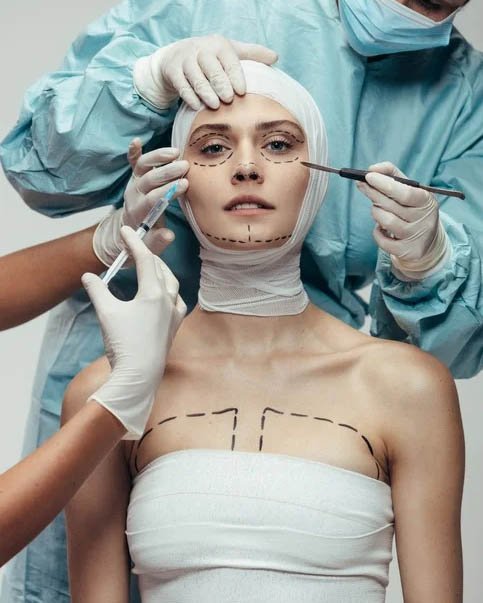
Post-operative care should respond to your recovery — not simply the calendar.
What your body needs during the first days after surgery may be very different from what it needs several weeks later.
Uma Clinic begins by assessing what your body is experiencing now. From lymphatic support and swelling management to fibrosis, tissue restrictions, scars, sensory changes and mobility concerns, your treatment is selected according to your current recovery.
The goal is not to repeat the same treatment at every appointment. It is to understand how your recovery is changing and adapt therapeutic care accordingly.
Specialized Recovery Support After Different Surgical Procedures
Post-operative recovery is not limited to liposuction. Different surgeries affect tissues, lymphatic function, sensation, scars and mobility in different ways.
Plastic & Cosmetic Surgery Recovery
Uma Clinic supports recovery after a variety of plastic and cosmetic procedures, with treatment adapted to the surgery performed, healing stage and protected areas.
- Liposuction
- Abdominoplasty / Tummy Tuck
- Breast Augmentation
- Breast Reduction
- Breast Lift
- BBL
- Fat Transfer Procedures
- Face Lift
Gender-Affirming Surgery Recovery
Post-operative recovery support may be appropriate following procedures related to:
- Feminization
- Masculinization
Treatment is individualized according to the procedure, healing status, protected areas and medical instructions.
Cancer & Reconstructive Surgery Recovery
Patients recovering from cancer-related procedures may have particular lymphatic, scar and tissue considerations.
- Reconstructive surgery
- Cancer-related procedures
Treatment is adapted to the patient’s medical history, procedure, recovery status and medical guidance.
Orthopedic Surgery Recovery
Selected orthopedic procedures can produce swelling, scar restrictions, changes in tissue mobility and functional limitations during recovery.
When appropriate, Uma Clinic may provide post-operative therapeutic support within the patient’s medical recovery plan.
General Surgery Recovery
Post-operative therapy may also be appropriate following other surgical procedures when the patient’s condition, healing status and medical guidance permit treatment.
- C-Section
- Abdominal Surgeries
- Other appropriate surgical procedures
Common Post-Op Healing Concerns
Recovery does not always follow a predictable path. Some changes are expected during healing, while others may persist or require a different therapeutic approach.
Post-Op Swelling & Edema
Swelling and fluid accumulation are common after many surgical procedures. They may create sensations of heaviness, pressure, tightness or discomfort and can change considerably throughout recovery.
Learn More →Post-Op Fibrosis
Some patients develop changes in tissue texture, density, elasticity or mobility during recovery. Fibrotic areas may require specific assessment and treatment rather than simply repeating early-recovery therapy.
Learn More →Adhesions & Tissue Restrictions
Healing tissues may sometimes lose part of their normal ability to glide freely, creating pulling, tethering, tightness or restricted movement.
Learn More →Post-Op Scars
A surgical scar continues changing after the incision has closed. Scar-related tightness, sensitivity or restriction may affect surrounding tissues, comfort and mobility.
Learn More →Numbness & Sensory Changes
Numbness, tingling, altered sensitivity or unusual sensations can occur following some procedures as tissues and nerves recover.
Restricted Mobility After Surgery
Swelling, discomfort, scars, adhesions and tissue restrictions can affect comfortable movement. As healing progresses, treatment may incorporate techniques designed to support tissue mobility and functional recovery.
Do You Feel a Hard or Firm Area After Surgery?
Firmness is a finding — not a diagnosis.
A hard or firm area after surgery does not automatically mean fibrosis. Depending on your recovery, a firm area may be associated with several different tissue changes.
- Localized swelling or fluid accumulation
- Fibrosis
- Adhesions or tissue restrictions
- Scar-related changes
- Other conditions requiring assessment
- Different treatment needs depending on the finding
Your Uma Recovery Checkpoint
Before determining which therapies may be appropriate, we evaluate relevant aspects of your recovery so your care can be adapted to what your body needs now.
What procedure was performed? Which areas were treated? Are there implants, transferred fat or protected areas?
How are your incisions, skin and surrounding tissues progressing?
Where is swelling present? How is it distributed? How has it changed?
Are there changes in texture, mobility, fibrosis or adhesions?
What stage of healing have the scars reached? Is there surrounding restriction?
Are you experiencing numbness, tingling, hypersensitivity or other sensory changes?
Is swelling, scar tissue, discomfort or tissue restriction affecting movement?
What has your surgeon authorized, restricted or specifically recommended?
Post-Op Recovery Phases
Recovery cannot be determined solely by the number of days or weeks since surgery. Two patients who undergo the same procedure may have very different recovery needs.
Protect & Decongest
During early recovery, tissues may be particularly sensitive while swelling, bruising and fluid accumulation are prominent.
Support early lymphatic movement and swelling management while protecting healing tissues.
Drain & Mobilize
As initial healing progresses, swelling may remain while gentle tissue mobility becomes increasingly appropriate.
Continue supporting fluid movement while progressively restoring comfortable tissue mobility.
Address Tissue Changes
As swelling changes, fibrosis, adhesions, scar-related changes, persistent swelling or other tissue restrictions may become more apparent.
Identify what is creating the patient’s symptoms and adapt treatment accordingly.
Remodel & Restore
When healing permits more active therapeutic work, treatment may increasingly address persistent tissue and functional changes.
Support tissue mobility, flexibility, sensory recovery, comfort and function.
Optimize & Maintain
Selected therapies may continue when appropriate for persistent tissue restrictions, fibrosis, scars, residual swelling or sensory changes.
Address remaining recovery needs and support the transition toward long-term tissue health.
Post-Op Recovery Treatments at Uma Clinic
Following your Uma Recovery Checkpoint, one or more therapies may be selected according to your current recovery needs.

Manual Lymphatic Drainage After Surgery
Manual Lymphatic Drainage (MLD) uses specialized, gentle manual techniques designed to support lymphatic movement. It may be particularly appropriate when swelling and fluid accumulation are important concerns during recovery.
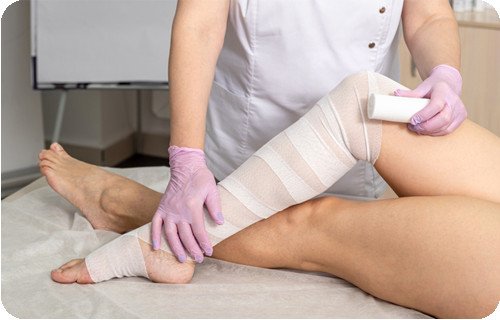
Therapeutic Taping for Post-Op Recovery
Specialized therapeutic taping may be used when appropriate to complement lymphatic support and swelling management between appointments. Application is adapted according to skin condition, swelling distribution and healing progress.
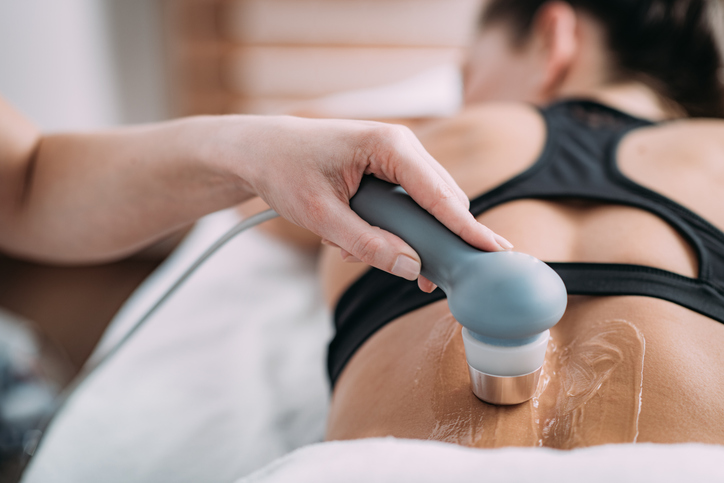
Therapeutic Ultrasound After Surgery
At appropriate stages of healing, therapeutic ultrasound may be incorporated to support tissue mobility and complement manual techniques in selected areas of tissue firmness or restriction.
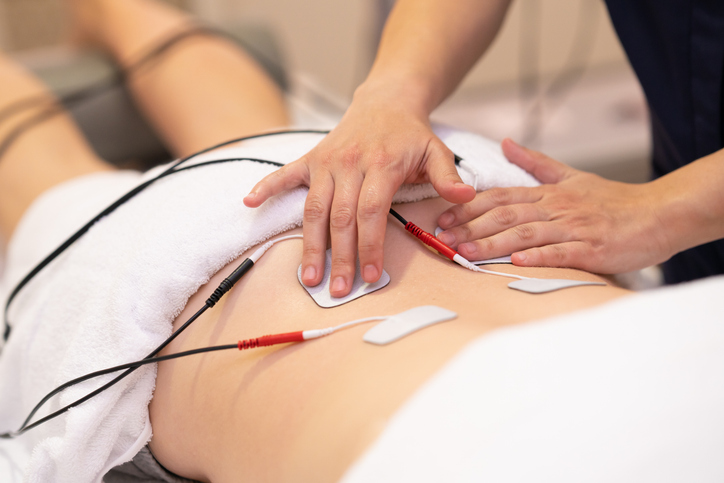
Electrotherapy for Post-Op Recovery
Selected electrotherapy techniques may be incorporated when appropriate as part of sensory or neuromuscular recovery support, with parameters individualized according to healing status and symptoms.
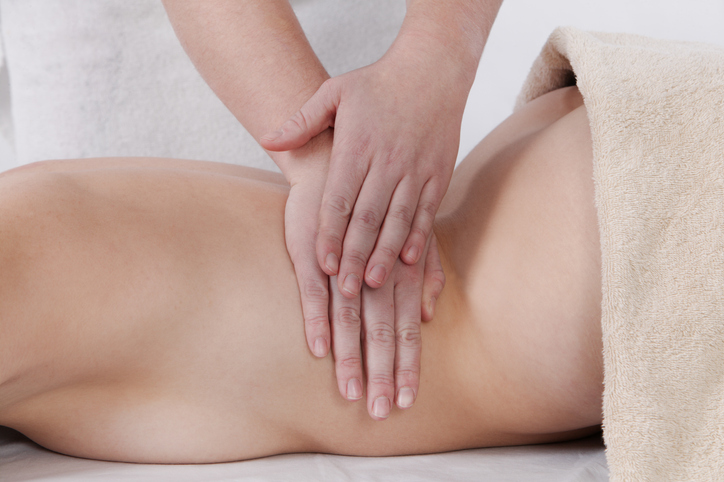
Fibrosis-Focused Therapy
When assessment identifies fibrotic tissue changes, treatment may progressively incorporate techniques specifically selected to address tissue density, restriction and mobility.
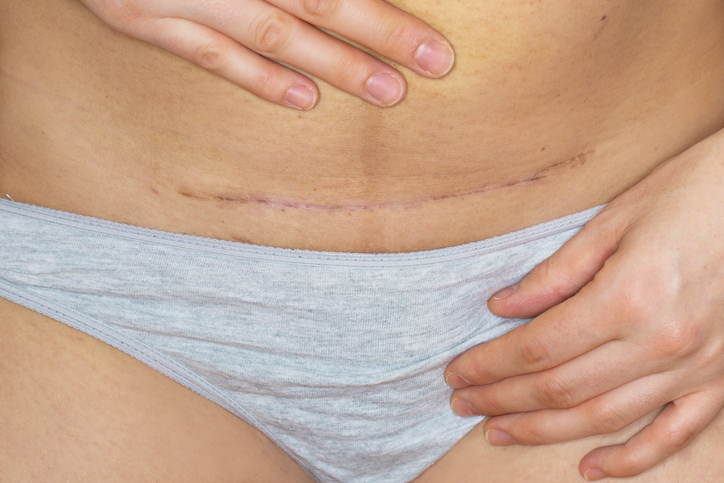
Myofascial Techniques & Post-Op Scar Mobilization
Selected myofascial techniques may be incorporated as healing progresses. Once the incision and surrounding tissues have reached an appropriate stage of healing, scar mobilization may also be introduced.
Your Surgical Plan Always Comes First
Uma Clinic’s post-operative services complement — and do not replace — the medical care provided by your surgeon.
Surgeon Instructions
Your surgeon’s restrictions, precautions and recovery instructions guide our treatment.
Referral & Medical Documentation
Relevant information may include:
- Procedure performed
- Date of surgery
- Areas treated
- Protected areas
- Restrictions and precautions
- Specific instructions from your surgeon
Protected Areas
Special consideration is given to healing incisions, implants, transferred fat, drains when present and other surgically protected areas.
Precautions
Treatment techniques, locations and intensity are adapted according to healing, contraindications and medical instructions.
When We Refer You Back
Post-operative therapy should never delay appropriate medical evaluation. When findings fall outside the appropriate scope of therapy, treatment may be postponed or stopped and you may be directed back to your surgeon or another appropriate medical provider.
Responsible Post-Op Care
Knowing when not to treat is part of responsible post-operative care.
Why Choose Uma Clinic
Serving Seattle Since 1994
More than three decades serving the Seattle community.
Specialized Post-Op Experience
Post-operative care requires understanding how swelling, lymphatic function, connective and soft tissues, scars, sensation and mobility change throughout recovery.
Individualized Care
Your treatment is selected according to your actual recovery — not simply the surgery you had or the number of days since your procedure.
Specialized Lymphatic & Tissue Care
Our approach focuses on lymphatic function, swelling management, connective and soft-tissue recovery, fibrosis, adhesions, scars, sensory changes and other post-operative tissue concerns.
Multiple Therapeutic Modalities
Access to different treatment options allows your care to evolve rather than relying on one technique throughout recovery.
Safety-Focused Approach
Assessment, appropriate treatment selection and recognition of situations requiring medical evaluation are fundamental parts of the Uma Clinic approach.
Post-Op Recovery Frequently Asked Questions
Healing is individual. These answers explain how Uma Clinic approaches common post-operative recovery questions.
There is no universal starting day. Timing depends on your surgery, healing status, incisions, drains when present, swelling, restrictions and your surgeon’s recommendations. Some forms of post-operative support may be appropriate relatively early, while other tissue-focused therapies require more advanced healing. At Uma Clinic, healing determines treatment — not the calendar alone.
No. Uma Clinic supports appropriate recovery following multiple types of plastic and cosmetic, gender-affirming, cancer-related, reconstructive, orthopedic and general surgical procedures. Treatment depends on your procedure, healing status, medical considerations and individual recovery needs.
Post-operative swelling can vary considerably between patients, even when they undergo similar procedures. Factors that may influence swelling and recovery include the type and extent of surgery, tissue manipulation, individual inflammatory and healing response, age, overall health and physical condition, mobility, complications and overall post-operative care.
Surgery produces inflammation and tissue changes, and some procedures may temporarily affect normal lymphatic movement while the body manages fluid associated with healing. For patients experiencing significant post-operative swelling or lymphatic congestion, Manual Lymphatic Drainage may be an appropriate component of recovery.
Not necessarily — but it also does not mean that every patient automatically needs Manual Lymphatic Drainage. Specialized lymphatic therapy and post-operative soft-tissue rehabilitation represent a complementary area of care. Patients should keep their surgeon informed before beginning post-operative therapy, particularly when there are surgical restrictions, implants, transferred fat, drains or other considerations.
There is no single answer because every recovery is different. Some patients experience relatively limited swelling and recover without requiring extensive lymphatic intervention. Others experience more significant or persistent swelling and may benefit from specialized lymphatic support. The important question is what your body needs now.
Not necessarily. Post-operative fibrosis is multifactorial. Not receiving Manual Lymphatic Drainage does not mean that a patient will develop fibrosis, and receiving MLD cannot guarantee that fibrosis will be prevented.
Not necessarily. Patients begin specialized post-operative care at different stages. Some come shortly after surgery, while others seek care weeks or months later because of persistent swelling, firmness, fibrosis, adhesions, scar restrictions, numbness or mobility concerns.
Not necessarily. MLD may be particularly appropriate while swelling and lymphatic congestion are present. As recovery progresses, your needs may change. Fibrosis, adhesions, scars, sensory changes or mobility restrictions may require different therapeutic approaches.
Not necessarily. Firmness may be associated with localized swelling, fluid accumulation, fibrosis, adhesions, scar-related changes or another condition requiring assessment. Because these conditions can feel similar but may require different therapeutic approaches, Uma Clinic evaluates the tissue before selecting treatment.
When assessment, healing stage and medical guidance indicate that fibrosis-focused treatment is appropriate, specific therapeutic techniques may be incorporated into your recovery plan. Fibrosis treatment should be adapted according to tissue findings rather than automatically applying increasingly aggressive pressure.
Altered sensation, numbness, tingling or unusual sensations can occur after some surgical procedures. When clinically appropriate, selected electrotherapy and sensory or neuromuscular techniques may be incorporated as part of post-operative recovery support. New, worsening or otherwise concerning neurological symptoms should receive appropriate medical evaluation.
Once the incision and surrounding tissues have reached an appropriate stage of healing, scar and tissue mobilization may be incorporated when appropriate. Timing depends on tissue healing and medical guidance rather than a predetermined number of weeks.
Post-operative care may be appropriate after BBL or fat-transfer procedures, but transferred-fat areas require specific protection. Treatment techniques, intensity and locations are adapted according to the procedure, healing status and surgeon’s instructions. Therapeutic ultrasound is not applied directly over transferred fat.
No. Uma Clinic does not use wood therapy as part of its post-operative recovery treatments. After surgery, tissues may remain swollen, inflamed, sensitive and actively healing. Rigid instruments do not provide the same direct tactile feedback and tissue-by-tissue control available with carefully selected manual therapeutic techniques.
Uma Clinic does not use wood therapy as a post-operative approach. A hard area should first be assessed because it may represent fibrosis, swelling, an adhesion, scar-related restriction or another post-operative tissue change. Even when fibrosis is present, treatment should not simply mean applying increasingly aggressive pressure.
Yes. Appropriate medical documentation or referral helps us understand your procedure, relevant medical considerations, restrictions and protected areas before beginning post-operative treatment. This may include the procedure performed, surgery date, treated areas, diagnosis when relevant, implants, transferred fat, restrictions, precautions and specific medical instructions.